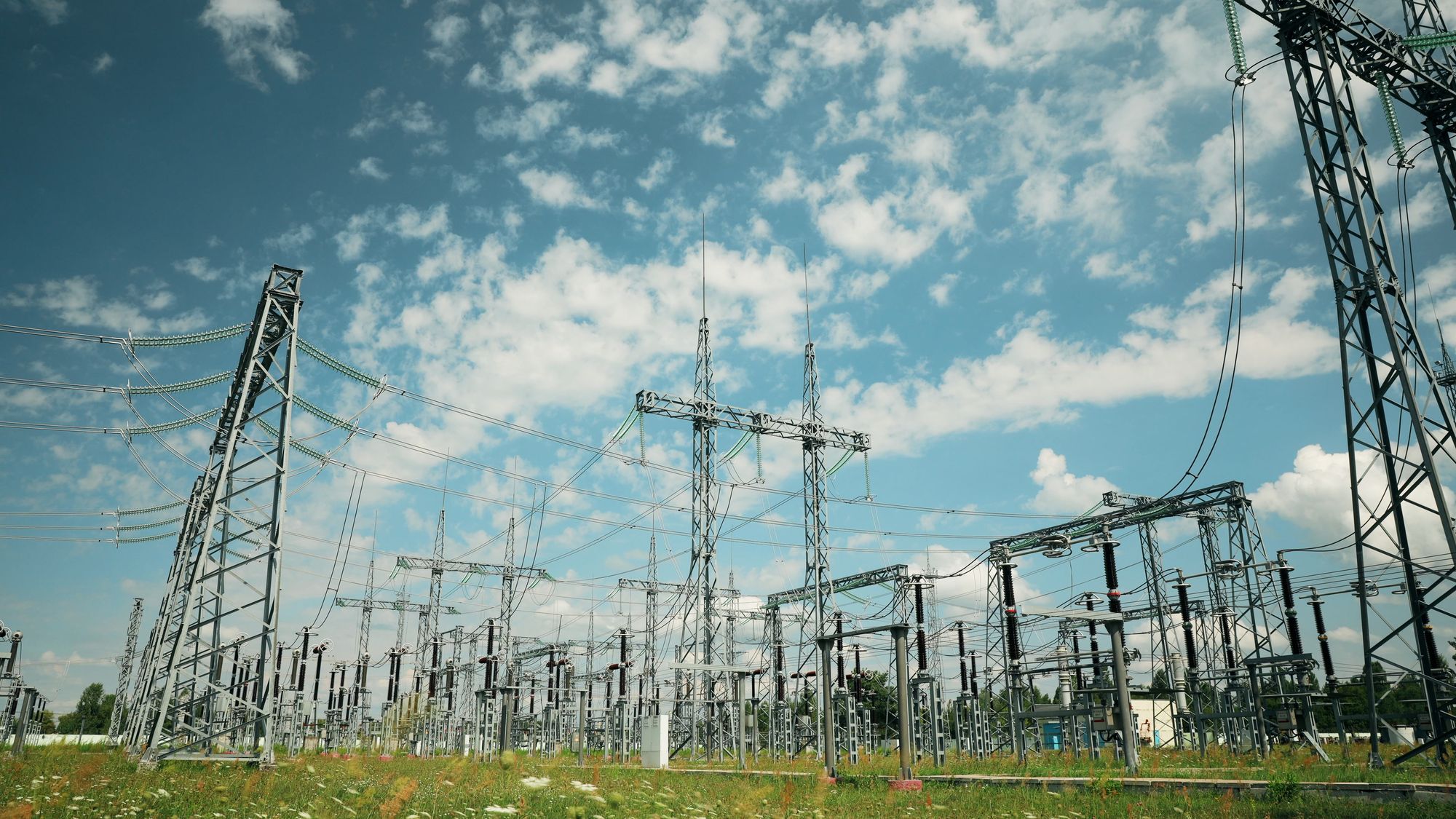
High voltage electrical distribution substation

Everything an electric utility needs to keep its training program defensible

Software, services, and the people who have sat through NERC evaluations with utilities, transmission operators, balancing authorities and RTOs. Whether you need the program built, the records run, the platform to hold them, or all three.
Why PER-005 is a program standard, not a training requirement

Plenty of utilities can produce attendance records. That isn’t what the standard is built around. PER-005 expects you to identify the tasks that affect reliability, derive training from those tasks through a systematic approach, deliver it, evaluate it, and keep evidence that the chain holds together.

Which means the document an evaluator is really testing is your task list. If it’s stale, incomplete, or was never validated by the people doing the work, everything downstream inherits the problem, and no learning management system will paper over it.

Our consultants spent their careers inside utility training programs before they worked here, which is why Qlarity is built around NERC evidence rather than around courses.

The three findings we see most

  • A task list that hasn’t been reviewed since the last evaluation, in a group whose scope has changed twice since.
  • Continuing training built from whatever was available that quarter rather than from identified gaps.
  • Records that exist but can’t be assembled into a defensible narrative inside the review window.

Our consultants were doing this job before they worked here

Transmission operators, dispatch instructors and the people utilities called when a training program had to survive a NERC audit. It is also why Qlarity works the way it does.

How we help electric utilities

The software, the services, and the people. Four ways utilities work with us, and they are scoped together on an annual footing because a NERC program has to be maintained, not delivered once.

Software

The system that holds the record

Qlarity is where the program lives: the task list, the objectives, who is qualified, and the reports a NERC submission is built from.

  • NERC PER-005 and SOCCED records in one place
  • Reporting that ships with the product
  • A documented path off legacy QTD

Services

Building or rebuilding the program

When the analysis is old, thin, or missing. We start with the task list and work forward to the evidence.

  • Job task analysis for operator and dispatch roles
  • Program design and training maps
  • Materials, assessments and test items

Managed services

Running it day to day

You have the program. You do not have anyone with time to keep the records defensible.

  • Scheduling, notifications and grades
  • Qualification and evaluation data entry
  • SOCCED submission and reconciliation

Ongoing support

Keeping it defensible between evaluations

A technical account manager who knows your program and what your evaluator will ask for.

  • Annual task list and program evaluation review
  • Mock evaluations and coaching prep
  • Continuing training design
Transmission towers silhouetted at dusk

PER-005 is a program standard, not a training requirement

It asks you to show the reasoning from a validated task list through to a qualified operator, and to show it on demand.
Utilities that trust FOCUS Learning

  • AEP
  • TVA
  • Dominion
  • Duke Energy
  • Constellation
  • PSEG
  • MISO
  • SoCalGas
  • Wolf Creek
  • Energy Northwest
  • FirstEnergy
  • APS

Organizations across the FOCUS Learning platform and services practice. Logos shown are already published on focuslearning.com.


Frequently asked questions

What utilities ask us before an evaluation year.

What does PER-005 require for training?

It requires a systematic approach: identify the tasks your personnel perform that affect reliability, derive training objectives from those tasks, deliver training against them, evaluate the result, and retain evidence connecting each step. The task list is the foundation, which is why it’s the first thing an evaluator tests.

How often should a task list be revalidated?

Annually, and additionally any time the scope of a position changes, a new system or procedure is introduced, or an event review implicates a task. Most findings we see trace back to a task list that was accurate when written and was never revisited.

What is a mock NERC evaluation?

A rehearsal run against your real records by someone who knows what evaluators ask. You get a findings list with owners and dates while there’s still time to close items, plus coaching for the people who will be interviewed.

Can you build a program for a role we have never trained formally?

Yes, and it’s common. We start with the task analysis because there isn’thing to inherit. Groups in this position often move faster than groups with a legacy program, because there’s no existing structure to defend.

Do we have to be a Qlarity customer?

Not strictly. Analysis, program build, materials development, and administration are all sold as standalone projects. But Qlarity exists because PER-005 is a traceability problem: the task list, the objectives derived from it, the qualification records, and the SOCCED submissions all have to reconcile. Subscribers get a block of services priced into their tier and a technical account manager who works inside that system, which is why most utilities end up there.

What is the difference between NERC certification and PER-005?

NERC certification verifies an individual operator’s knowledge at a point in time through an exam. PER-005 puts the obligation on the utility to run the training program that builds and maintains that competence over time. Certified operators don’t satisfy PER-005 on their own.

Who is responsible for uploading training records to NERC SOCCED?

The utility is responsible, but the work can be delegated. Under our training administration service, SOCCED uploads and the reconciliation behind them are handled on your behalf, and the records stay auditable against your own system.

Where this work happens

Two technicians looking out over a substation and wind farm
Transmission and substation
Two engineers reviewing plans beneath transmission lines
System operations and dispatch
Two technicians working on valves above a plant deck
Generation and plant operations
Two operators monitoring systems on screen overnight
Round-the-clock control rooms

When is your next evaluation?

That date, plus what already exists, is usually enough for us to tell you whether you need an analysis, a build, or a mock evaluation. Start there.
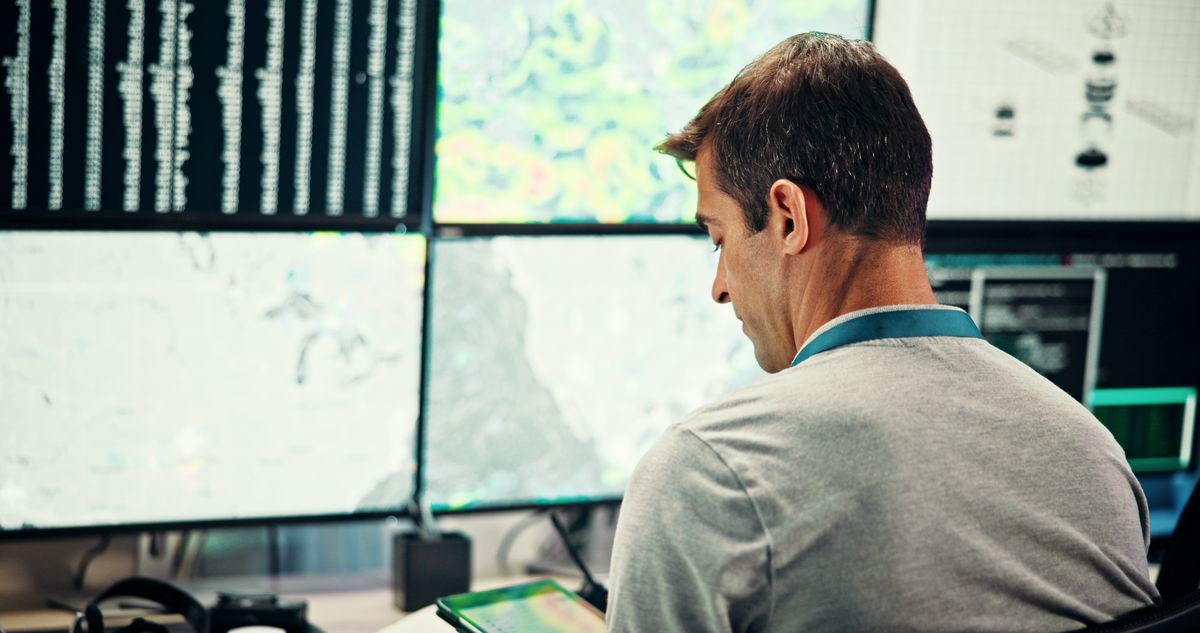

System operator monitoring a dispatch desk