
Three engineers reviewing a tablet during a pipeline walkdown

Stop rebuilding the evidence every time somebody asks for it

Audit preparation should be retrieval and review, not a reconstruction project. That is a function of how the records are connected the rest of the year.
The audit does not create the gap. It reveals it

Readiness is a property of how the program runs day to day, not a project you start when the request arrives.

  1. 1

    Job task

    Validated, owned, and revisited on a schedule.

  2. 2

    Objective

    Derived from the task, with a standard attached.

  3. 3

    Training

    Built to teach it, and traceable to it.

  4. 4

    Assessment

    Tests the objective, under controlled conditions.

  5. 5

    Evidence

    Retrieved on request, not reassembled.

Teams usually discover the missing approval, the inconsistent task list or the broken link only after an evidence request lands. By then the work is urgent, manual and disruptive, and the finding is already true.

What readiness actually looks like

  • Approved requirements, with a named owner for each
  • Training records connected to the applicable role and qualification
  • A program change that identifies the content and the people it affects
  • Exceptions visible before the evidence request, not after
  • Historical records retrievable without rebuilding the context around them
  • Evaluation findings that produce documented program changes

None of those are software features on their own. They are the result of a program where the links between things are maintained rather than reconstructed, which is what both our platforms are built to hold and what our services team is usually hired to repair.

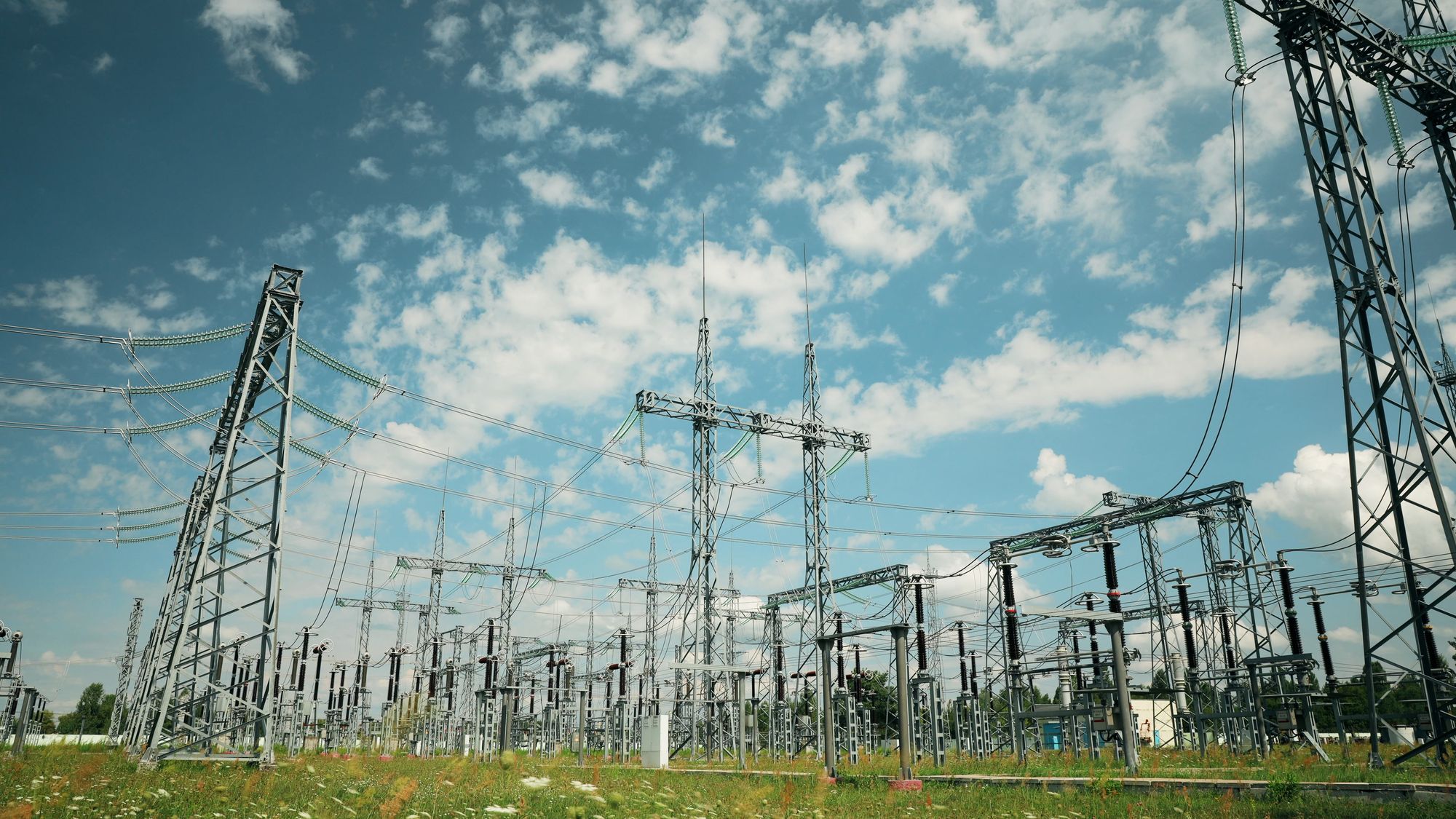
High voltage electrical distribution substation

The cost is rarely the finding

It is the two weeks of staff capacity spent assembling evidence, and discovering a gap at the point where there is no time left to close it.

Where the work usually is

Three different starting points, depending on what you find when you look.

Assess

Walk a real evidence request

We take one representative request and follow it end to end, identifying exactly where the process depends on somebody remembering something.

Remediate

Fix the data and the governance

Inconsistent task lists, orphaned records, missing approvals and unclear ownership. Usually the bulk of the work, and rarely the part anyone budgeted for.

Sustain

Make readiness the default

Configure the workflows, set the annual review rhythm, and train the team, so the next request is answered by retrieval rather than by a project.

Not sure where you stand?

Our training maturity assessment asks ten questions across five dimensions and tells you which one is holding the rest back. It takes a few minutes, the result is specific to your answers, and there is no call attached to it.

Evidence and traceability is one of the five dimensions, so it will tell you plainly whether audit readiness is your weak point or whether something upstream is.

What it looks like in an actual audit

Qlarity does all the things that we hoped it would. It helped tremendously in our last audit. By using the reporting features, we were able to quickly and easily access all the data we needed to give evidence for compliance to necessary standards.

Vicki Von RichterTraining Specialist, New Brunswick Power System Operator

What a reviewer is actually doing

Reading. Following one person, on one task, through to the evidence that says they were qualified to do it. If that trail is intact the conversation is short.

Where it goes wrong is rarely a missing record. It is a record that exists but cannot be connected to the requirement it was meant to satisfy, which means somebody reconstructs the reasoning under time pressure, in front of the person asking.

Close reading of a printed record, pen in hand

Frequently asked questions

What comes up before an engagement is scoped.

How long does audit preparation usually take?

That is the diagnostic. If it takes weeks of manual assembly, the records are not connected, and the preparation time is a symptom rather than the problem. Organizations with a maintained chain answer most requests in hours.

We passed our last review. Is there anything to fix?

Possibly not. But passing and being defensible are different things, and plenty of programs pass on paperwork that nobody has stress-tested. The question worth asking is whether you passed because the reasoning held or because nobody pulled the thread.

What is the most common finding you see?

A task list that has not been revalidated since the last review, in a group whose scope has changed since. Everything downstream inherits that, and no learning system papers over it.

Do we need to change platform to get this?

The structural work happens regardless of what software you run, and a platform is what holds the links afterwards so they cannot quietly drift apart again. Taken together they are what keeps a program audit-ready between audits, which is why we scope this as an ongoing relationship with scheduled reviews rather than a one-time clean-up.

Test your process before a reviewer does

Walk one representative evidence request through with us. We will show you where it depends on manual work and what it would take to remove that. Most customers take the software and the services together and keep the engagement running as a program relationship, because the structure needs maintaining as the work changes.


System operator monitoring a dispatch desk