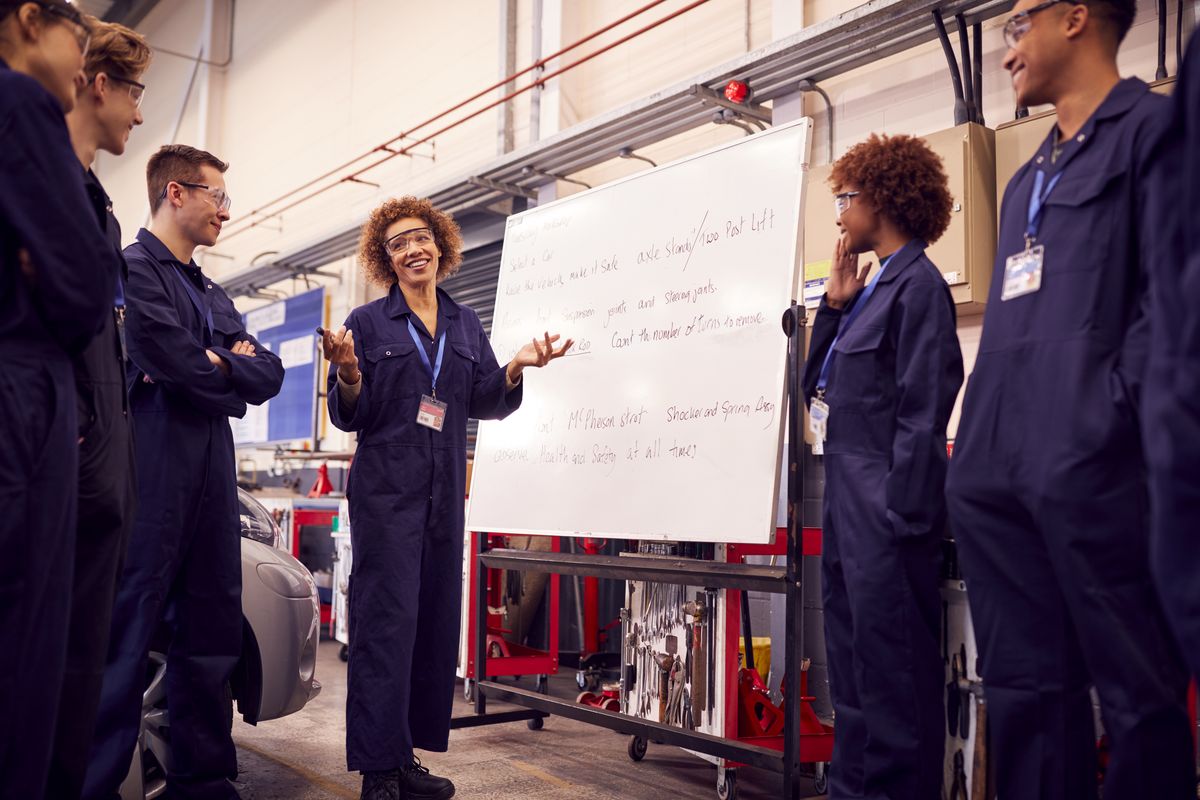
Instructor walking a crew through a task sequence at a whiteboard

Build the training from the work people actually have to perform

If the required work and the performance standard are unclear, nothing downstream can be right. Job and task analysis is the foundation of a performance-based program, and the document a reviewer tests first.

Weak analysis creates problems everywhere except where it started

An organization that cannot say precisely what work is required, and to what standard, cannot reliably decide what to train, what to assess or what to document. The symptoms turn up later and look like different problems: continuing training that repeats what people already do well, exams that test content rather than capability, qualification records that do not map to anything.

All of it traces back to the same place. Which is also why revalidating the analysis is the highest-leverage thing most programs could do this year.

What a defensible analysis actually involves

Eight steps. Skipping any of them shows up later as a finding, usually in a different part of the program entirely.

  1. Job and role definitionWhat this role is actually accountable for, as distinct from what the job description says.
  2. Task identification and validationBuilt with the people who do the work, not adapted from another organization or inferred from procedures.
  3. Difficulty, importance and frequencyThe three ratings that turn a task list into a defensible basis for deciding what gets trained.
  4. Knowledge and skill requirementsWhat somebody has to know and be able to do in order to perform each selected task.
  5. Train or no-train decisionsDocumented with the reasoning, because this is the step a reviewer is most likely to question.
  6. Objective developmentEach one with a behavior, a condition and a standard, so it can be taught and assessed.
  7. Curriculum and assessment alignmentSequencing, setting, and how each objective will actually be tested.
  8. Change impact and maintenanceWhat happens to all of the above when the plant, the procedure or the role changes.

Software to maintain it, people to get it right

These are usually bought together, and they do genuinely different jobs.

Software

Keeping the relationships alive

VISION and Qlarity hold the structure the analysis creates and preserve it as the program changes, so a task revision surfaces every objective, lesson, test item and qualification it touches.

Doing that by hand is where analyses go stale.

Services

Getting the analysis right in the first place

Our facilitators plan the workshops, engage your subject matter experts, document the outputs, resolve the inconsistencies that always emerge, and convert the findings into training and qualification structures you can actually run.

We also coach your team through it so the capability stays with you.

On the job training at a lathe, evaluator alongside the trainee

Validated with the people who do the work

Not adapted from another organization, and not inferred from the procedure by somebody who has never performed the task.
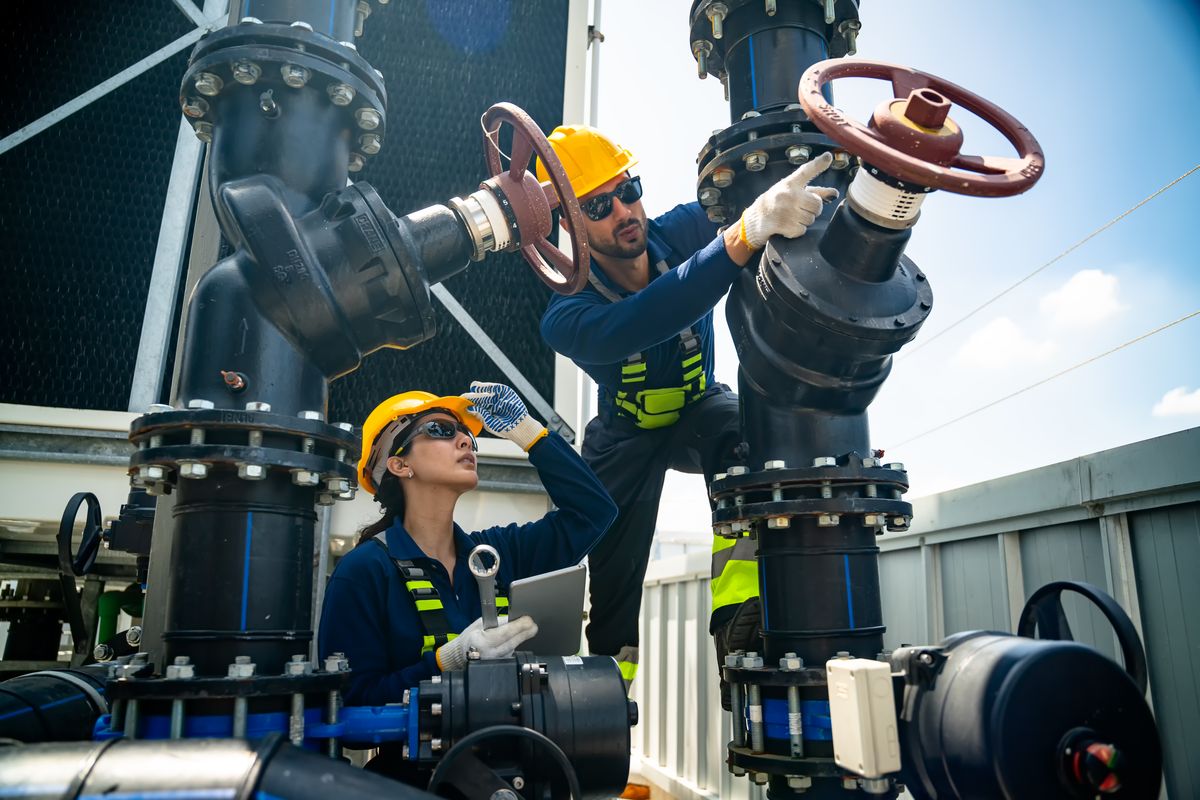

The work you are analysing

Two technicians working on valves above a plant deck
The task, as actually performed
Two technicians inspecting a machine, one recording on a clipboard
Rated for difficulty and importance
Instructor at a whiteboard explaining a process to two people
Turned into training objectives
Two technicians reviewing a record on a tablet in a plant room
And back to the qualification it supports

From someone who commissioned the analysis

They have helped us turn a complex body of operational knowledge into a structured, repeatable and expandable training program that can be maintained and improved over time.

What has stood out most is their flexibility and practical partnership. They kept the work moving despite constraints on subject matter expert availability, shifting schedules and competing operational priorities.

Supervisor, Operational TrainingA distribution operations trainer at an electric utility

Frequently asked questions

What comes up before an engagement is scoped.

How long does a job task analysis take?

For a single role, a facilitated analysis is typically a matter of weeks rather than months, and most of that is subject matter expert availability rather than our effort. A whole-program analysis is scoped role by role so you get usable output early instead of everything at the end.

We already have a JTA. Is it worth revisiting?

If it has not been revalidated since the last review, and the scope of the work has changed since, then almost certainly. That specific combination is the most common finding we see, and remediating an existing analysis is usually faster than starting again.

Can you teach our team to do this?

Yes, and for most organizations that is the better buy. We run method training, facilitate the first working sessions alongside your team, review their draft task statements, and hand over the validation approach and documentation standards. You keep the capability.

Do the difficulty and importance ratings really matter?

They are what makes a train or no-train decision defensible rather than a matter of opinion. Without them you cannot explain why one task is trained and another is not, and that is precisely the question an evaluator asks.

What do we get at the end?

A validated task list with ratings and the reasoning recorded, knowledge and skill requirements, train or no-train decisions, and objectives written to a behavior, condition and standard, loaded into your platform. Analysis that lives in a document goes stale; analysis that lives in VISION or Qlarity stays connected to the curriculum and the qualifications it drives, which is why we deliver the two together and keep reviewing it on a cycle.

Start with one role, or one scope that just changed

We will tell you whether you need a facilitated analysis, remediation of what you already have, or a broader program engagement, and which platform it should land in. Most customers take the software and the services together and keep the engagement running as a program relationship, because the structure needs maintaining as the work changes.
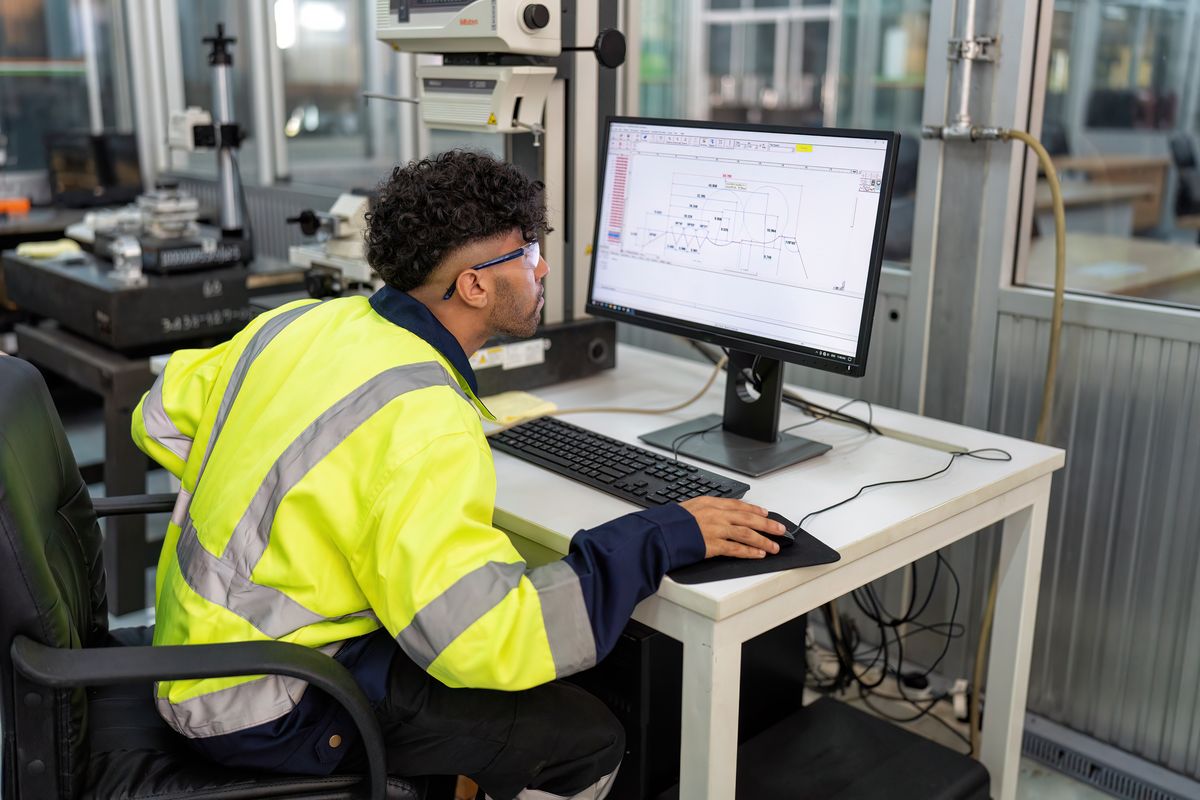

Engineer working through a technical drawing on screen