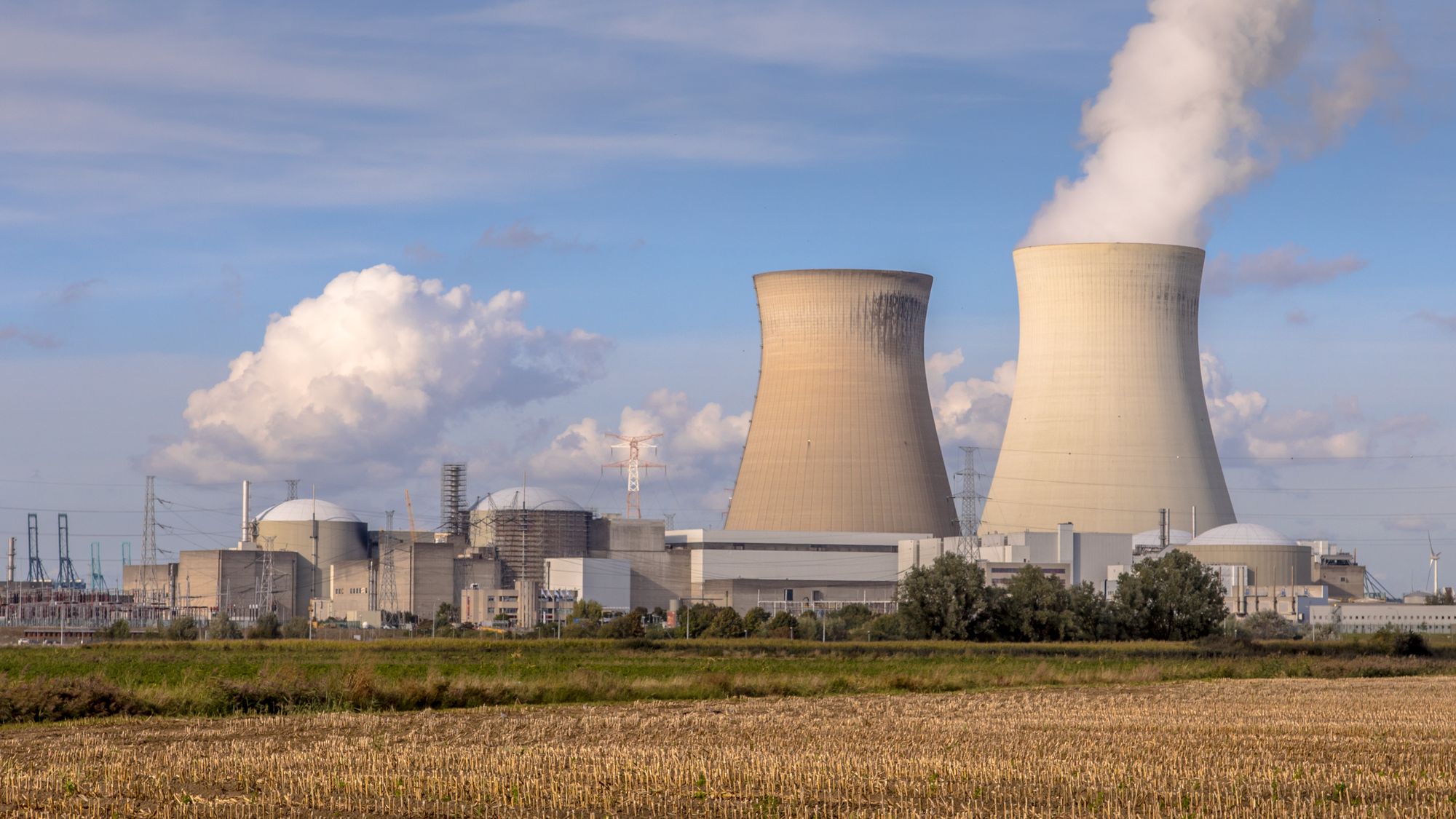
Multi-unit nuclear generating station

Is your training program built for performance, or just built?

Software, services, and instructional designers who have worked to INPO and NRC expectations for four decades. For operating fleets, new build, and the nuclear supply chain.
A program can pass every review and still be teaching the wrong things

Nuclear training programs rarely fail because nobody is watching. They drift. Content accumulates because it was interesting, or because an event happened once, or because removing it felt riskier than keeping it. Seat time expands. The link between what gets taught and what the job requires quietly loosens.

The industry has named this problem. INPO IER L4-16-02 pushed operators toward training that’s scoped to required performance, not to everything that might be useful.

Our starting question isn’t whether your program is compliant. It’s which parts of it are earning their seat time, and which parts are there because they have always been there.

Signs it’s time for a review

  • Training length has grown but qualification time hasn’t improved.
  • Instructors can’t say which objective a given lesson serves.
  • The task list and the curriculum haven’t been reconciled in years.
  • Content gets added after events and never retired.
  • Nobody can explain why a topic is in initial or continuing training.
  • Your best instructor retires in eighteen months.

Four decades building nuclear training programs from scratch

To INPO and NRC expectations, for operating fleets, new build and the nuclear supply chain.

How we help nuclear programs

The software, the services, and the people. Four ways operating fleets, new build and the nuclear supply chain work with us, scoped together and renewed annually because an accredited program is never finished.

Software

The system that holds the record

VISION is where the program lives: tasks, objectives, qualification cards, and the evidence an evaluator will accept.

  • Authoring and delivery on one set of data
  • Qualification cards, hierarchies, cross references
  • Hosted or on your own infrastructure

Services

Analysis and program design

The reasoning underneath the program, and coaching so your team keeps the capability afterward.

  • Difficulty and importance reviews
  • Job task analysis coaching
  • Long-range training plan design

Managed services

Materials and assessment

What people actually learn from, and the items you are examined on.

  • Regulatory test question development
  • Training content optimization
  • OJT guides and qualification sheets

Ongoing support

Keeping the program current

A technical account manager rather than a support queue, so somebody outside your team knows the program.

  • Quarterly and annual program reviews
  • Just-in-time training for outages and modifications
  • Instructor capability development
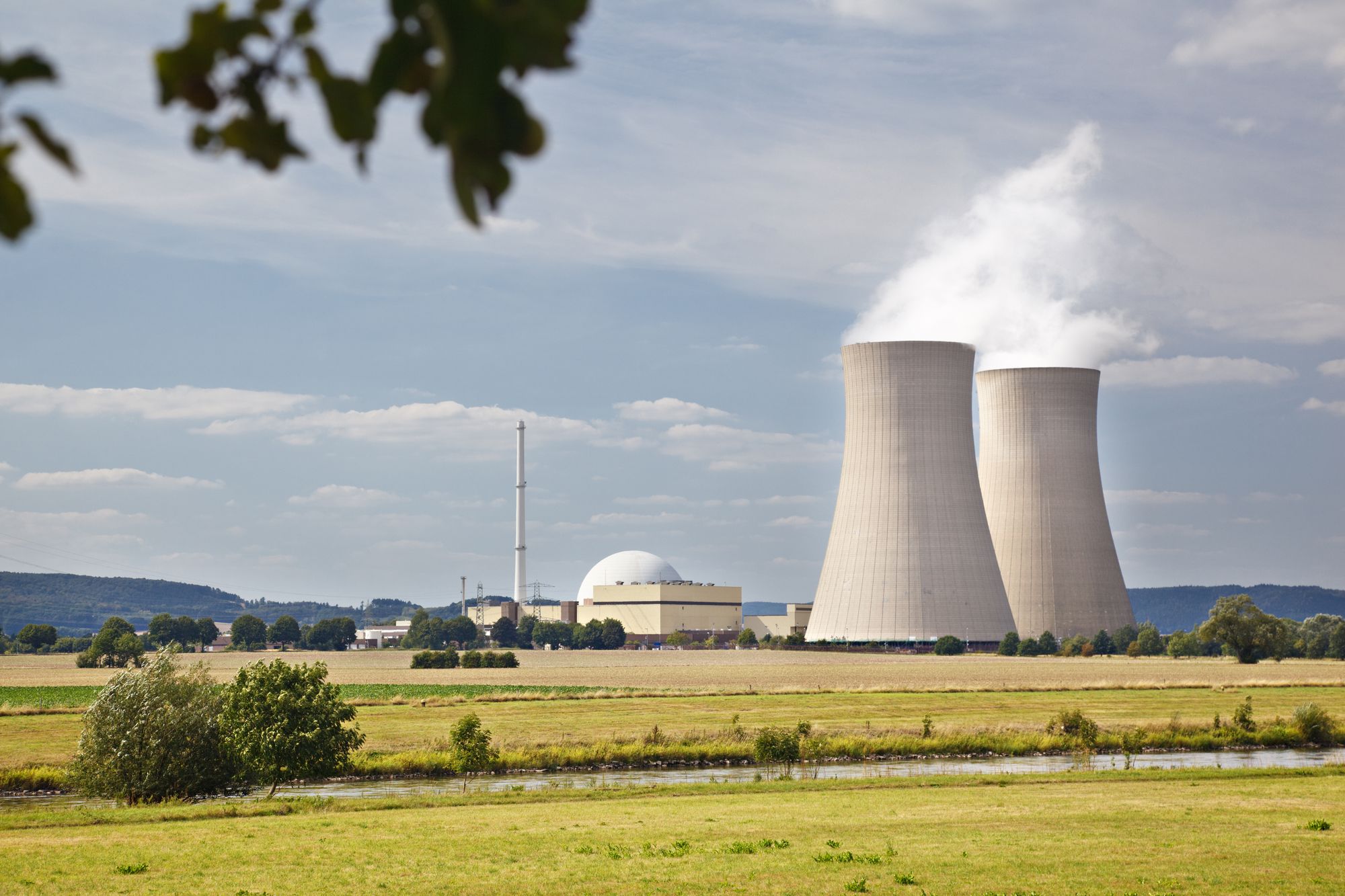
Nuclear generating station with cooling towers in a river landscape

A program can pass every review and still teach the wrong things

Difficulty and importance drift. Task lists age. The paperwork holds up until somebody tests the reasoning underneath it.

Nuclear operators that trust FOCUS Learning

  • AEP
  • TVA
  • Dominion
  • Duke Energy
  • Constellation
  • PSEG
  • Wolf Creek
  • Energy Northwest
  • APS

Organizations across the FOCUS Learning platform and services practice. Logos shown are already published on focuslearning.com.
Frequently asked questions

What nuclear training managers ask before a program review.

What is a difficulty and importance review?

A structured scoring of each task on how hard it is, how important it is, and how often it’s performed, run with the people who do the work. The scores then get tested against your curriculum, which is where over-trained and under-trained tasks become visible. It’s the fastest way to find out whether a program is aligned to the job.

Will removing content create a regulatory exposure?

Not if the rationale is documented. Every retirement candidate we identify comes with the objective it did or didn’t serve and the reason it’s a candidate. What creates exposure is content nobody can justify, whether it’s in the program or out of it.

Do you deliver on site or remotely?

Both. Most coaching, review, and account management work is delivered remotely, which keeps cost down and cadence up. Facilitated working sessions with subject matter experts and instructor workshops are usually better in person, and we will say which is which when we scope.

Can you work with a new build or an SMR program with no operating history?

Yes. With no legacy program to reconcile, the work is a straight build: task analysis first, then program structure, then materials. New build programs often move faster than operating fleets because there’s no existing curriculum to defend.

Do we have to run VISION?

Not strictly. Analysis, review, coaching, and content work are all sold as standalone projects regardless of what system you run. But VISION is where this method was built: it connects each part of the program as your team develops it, so the task list, the objectives, the materials and the qualification evidence stay linked rather than drifting apart. Subscribers also get a named account manager. The consulting work doesn’t require it; the program is easier to defend with it.

What is the systematic approach to training?

A method that derives training from validated job tasks rather than from subject matter. You analyze the job, define objectives from the tasks, design and develop training against those objectives, implement it, then evaluate and feed the findings back. In regulated work it also carries an evidence burden: every link in that chain has to be documented well enough to defend.

How do you decide what belongs in initial versus continuing training?

By what the task scoring says. Tasks that are difficult, important, and infrequently performed need periodic reinforcement, so they belong in continuing training. Tasks that are foundational and performed constantly belong in initial and then get left alone. Most bloated programs are carrying continuing-training content that should have been retired or moved.

New build changes the training question

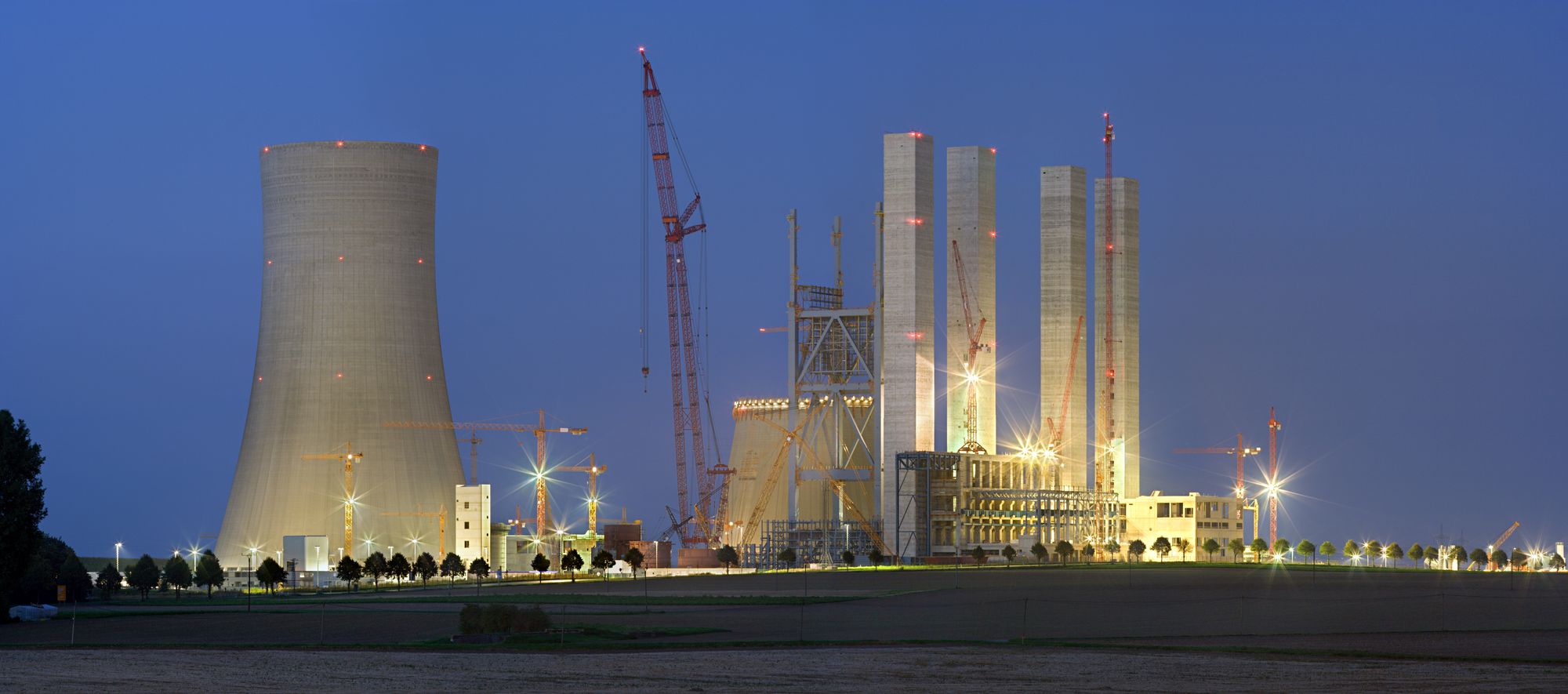
Power station construction site lit at night

A program has to exist before the plant does

Operators have to be qualified before fuel load, on a unit nobody has run yet. That is a different problem from maintaining a program on an operating plant, and it is the one we are asked about most often now.

Start with a review, not a proposal

Tell us what your program covers and when it was last reconciled to the task list. That’s usually enough for us to say whether a review is worth your money yet.

Operator at a modern control room panel